Compare Local Contractors for Drainage Sloping Services
Compare local contractors for drainage sloping to define project scope, verify experience, and set clear expectations for a successful property improvement.
Drainage sloping services typically involve adjusting the grade or slope of a property’s landscape or foundation to ensure proper water flow away from structures. This work encompasses evaluating existing drainage patterns, designing effective slopes, and implementing grading solutions that prevent water accumulation and reduce the risk of water intrusion or foundation damage. Proper drainage sloping is essential for maintaining a property’s integrity, especially in areas prone to heavy rainfall or poor natural drainage. Contractors specializing in this area often utilize excavation, grading, and soil manipulation techniques to create a surface that directs water efficiently toward designated drainage points.
Clearly defining the scope of drainage sloping work is important to establish realistic expectations and ensure the project meets the property owner’s needs. A detailed scope should specify the extent of grading, the areas to be addressed, and any additional work such as soil stabilization or the installation of drainage systems. Having these details in writing helps prevent misunderstandings and provides a clear basis for comparing different service providers. It also facilitates communication about the work’s specific requirements, making it easier to verify that contractors have the experience and resources necessary to handle the project effectively.
Property owners seeking to compare local contractors for drainage sloping can benefit from evaluating their experience with similar projects and reviewing the scope of work they offer. Asking for references or examples of completed jobs can provide insight into a contractor’s capabilities. It’s also helpful to verify that potential service providers understand the specific needs of the property and can articulate their approach in writing. Comparing how contractors define the scope of work, the methods they plan to use, and the level of detail included in their proposals can assist property owners in making informed decisions. Ensuring clear communication and thorough documentation supports a smoother project process and helps align expectations from the outset.
Compare local contractors by outlining project priorities, verifying experience, and establishing clear scope and expectations in writing.
- Compare Contractor Experience - Review the backgrounds of local contractors to ensure relevant experience with drainage sloping projects.
- Define Project Scope Clearly - Establish detailed expectations and work parameters in writing before work begins.
- Verify Qualifications - Confirm that service providers have the necessary expertise to handle drainage slope adjustments effectively.
- Request Written Agreements - Ensure all project details, including scope and responsibilities, are documented in a formal agreement.
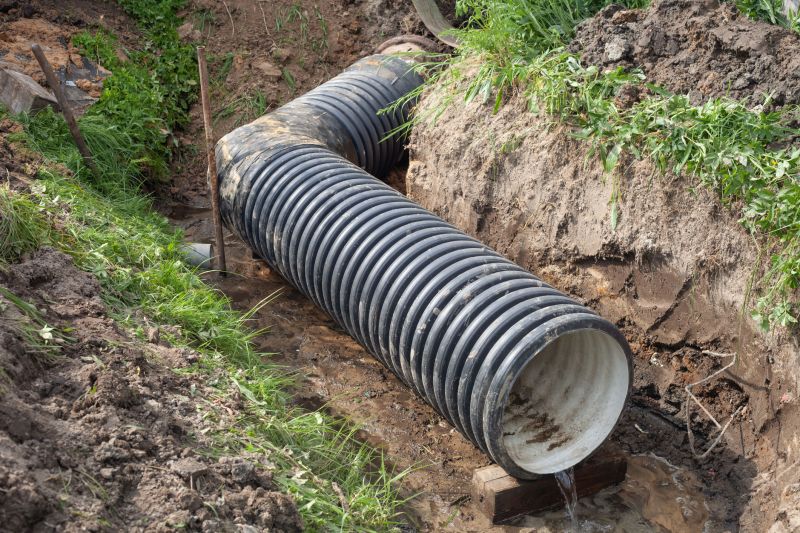
Clearly describe your drainage sloping project to help compare local contractors, define scope, verify experience, and set expectations in writing.
- Assess contractor experience with drainage sloping projects to ensure familiarity with site-specific requirements. - Verify that contractors clearly define the scope of work related to grading and slope specifications in written agreements.
- Compare multiple local contractors to evaluate their methods and approaches for effective drainage sloping solutions. - Ensure that service providers can explain their process for creating proper slopes for efficient water runoff.
- Request detailed descriptions of drainage sloping techniques to understand how contractors plan to achieve proper grading. - Confirm that contractors consider existing landscape and soil conditions when proposing solutions.
- Check references or reviews to confirm previous experience with drainage sloping work performed by local contractors. - Look for evidence of successful projects that meet proper grading standards.
- Discuss and document expectations regarding the slope design, materials, and finishing details in writing before work begins. - Clear communication helps ensure all parties agree on project outcomes and specifications.
Compare local contractors' experience and clarify project scope to ensure successful drainage sloping work.
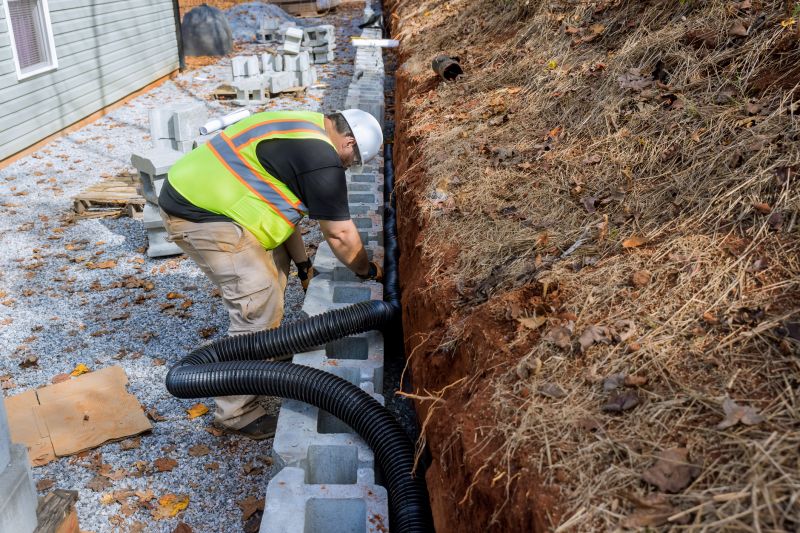
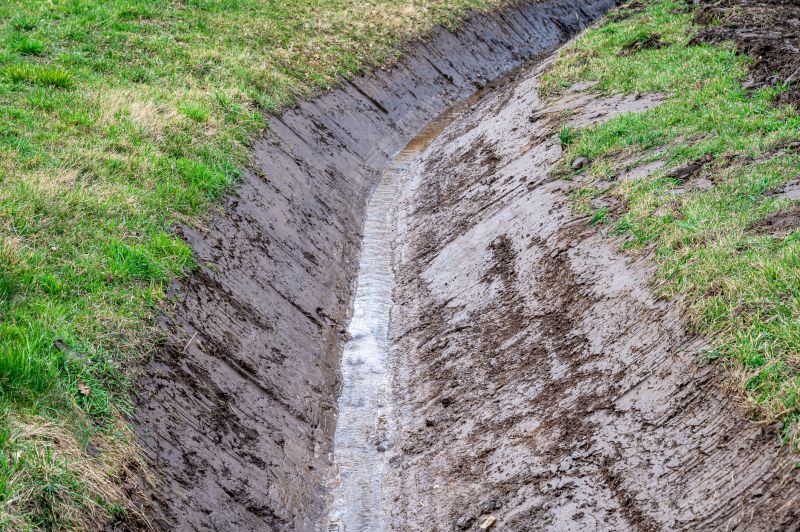
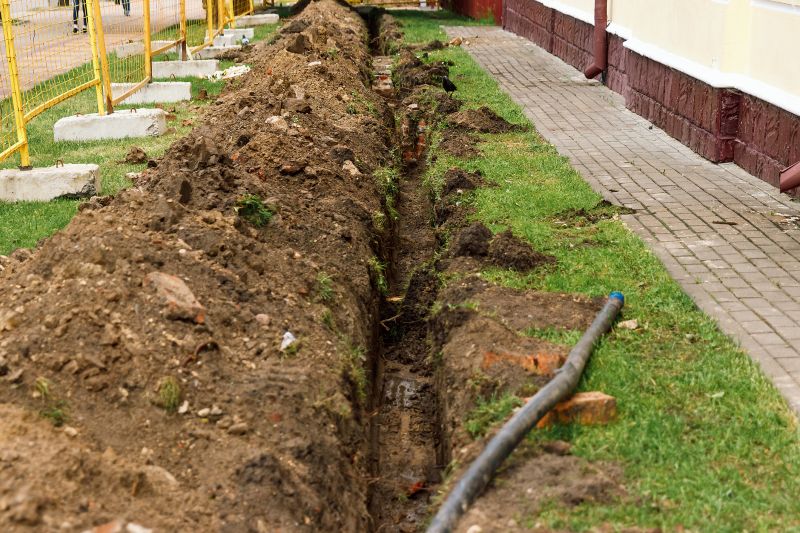
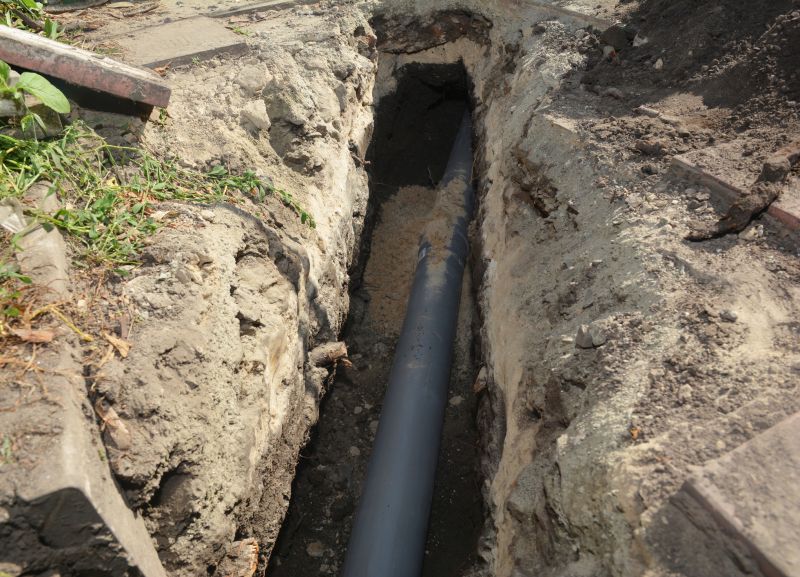
Learn how to compare drainage sloping contractors, define project scope, verify experience, and set clear expectations in writing.
- Define slope specifications - determine the required slope percentage or ratio to ensure proper drainage flow away from structures.
- Assess existing terrain conditions - evaluate the current land grade and surface to identify areas needing adjustment for proper drainage sloping.
- Specify drainage outlet locations - identify appropriate points for water to exit the sloped area to prevent pooling or erosion.
- Verify contractor experience with drainage grading - confirm that local contractors have relevant experience in designing and implementing drainage slopes.
- Document scope and expectations in writing - clearly outline the slope requirements, methods, and responsibilities to ensure mutual understanding.
When evaluating contractors for drainage sloping, it’s important to consider their experience with similar projects. Homeowners should inquire about the types of drainage solutions the service providers have completed in the past, paying attention to projects that resemble the specific challenges of the site. Contractors with a history of successful drainage adjustments on properties with comparable terrain or soil conditions are more likely to understand the nuances involved and deliver effective results. Gathering details about their previous work can help assess whether their expertise aligns with the scope of the drainage improvements needed.
A clear, written scope of work is essential for ensuring mutual understanding between homeowners and service providers. When comparing contractors, ask for detailed descriptions of what the project will include, such as grading angles, materials used, and any excavation or landscaping involved. This documentation should outline the specific tasks to be performed, helping to prevent misunderstandings and providing a basis for evaluating the thoroughness of each proposal. A well-defined scope also serves as a reference point for verifying that the contractor’s approach matches the homeowner’s expectations.
Verification basics involve confirming that service providers have the appropriate experience and understanding of drainage principles. Homeowners should seek out contractors who can articulate their approach to drainage sloping, including how they plan to address the site’s unique conditions. Requesting references or examples of completed projects can provide insights into the contractor’s track record. Additionally, understanding whether the contractor follows recognized industry standards or best practices can help ensure the proposed work will be effective and durable, reducing the risk of future drainage issues.
Evaluating options without focusing on prices involves examining how well each contractor’s proposal aligns with the project’s scope and site-specific needs. Homeowners should compare the level of detail in each proposal, the clarity of the work plan, and the experience demonstrated by the service providers. It’s also helpful to consider how each contractor plans to verify the effectiveness of their work once completed, such as through testing or inspections. By focusing on the quality of the approach and the clarity of communication, homeowners can make informed decisions that lead to successful drainage improvements.
Ask contractors to provide written scope details to ensure clear expectations and consistent project understanding.
- Experience with Drainage Sloping - How can contractors demonstrate their experience handling drainage sloping projects similar to the scope needed?
- Scope of Work Definition - What details do local contractors include to clearly define the scope of drainage sloping services?
- Comparison of Approaches - How do different service providers approach drainage sloping to ensure proper water flow and slope accuracy?
- Project Expectations in Writing - What should be documented in the scope and expectations to prevent misunderstandings later?
- Experience Verification - How can homeowners verify a contractor’s past work and expertise in drainage sloping?
What should I consider when choosing a contractor for drainage sloping? It's important to compare local contractors based on their experience, reputation, and the scope of services they offer. Ensure they understand your specific drainage needs and can provide clear details about their approach.
How can I define the scope of drainage sloping work? Clearly outline the areas requiring sloping, the desired drainage outcomes, and any existing issues. Communicating these details helps contractors provide accurate proposals and ensures everyone shares the same expectations.
What questions should I ask to verify a contractor's experience? Ask about previous projects similar to your drainage needs, the methods they use, and how long they have been performing drainage sloping work. Request references or examples of completed work if possible.
Why is it important to get written agreements with contractors? Written agreements help specify the scope, responsibilities, and expectations for the drainage sloping project, reducing misunderstandings and providing a clear record of what is to be done.
How can I compare different drainage sloping service providers effectively? Review their experience, scope of services, references, and the clarity of their proposals. Comparing these factors can help identify the most suitable contractor for the specific drainage needs.
What should I include in a scope of work for drainage sloping? Include details about the affected areas, the desired slope grade, any existing drainage issues, and specific outcomes you expect. Clear scope documentation facilitates accurate proposals and successful project completion.
By reviewing the information provided, visitors gain a clearer understanding of how to identify and choose qualified contractors for drainage sloping projects. They learn the importance of defining the scope of work, verifying experience, and setting clear expectations in writing to facilitate a smooth process. Comparing local service providers helps ensure they find options that align with their specific needs and preferences.
Using the quote form allows visitors to easily connect with local contractors who can handle drainage sloping tasks. It offers a straightforward way to explore and compare different options, empowering them to make informed decisions based on their project requirements. Taking a moment to reach out can help clarify the available services and find the right contractor for the job.